“Grade Water” search results (4000)
Brief introduction of Coffee from Ethiopia
Lim G2 Ethiopia is the hometown of Arabica coffee, and you can see wild Arabica coffee in the forests of the Kaffa region. In Ethiopian, coffee is called Bun or Buna, and coffee beans (coffee bean) may be translated from Kaffa Bun. Arabica coffee has long been found in the Harald area, which is very accessible.
2014-09-28 Coffee knowledge Ethiopia coffee producing area![[literacy] have you made a clear distinction between the coffee bean grading criteria? (below)](https://www.coffeesearch.net/uploads/151014/3-151014134400423.jpg)
[literacy] have you made a clear distinction between the coffee bean grading criteria? (below)
There are different ways to manage the origin of coffee beans, some are composed of large and small farmers, some are dominated by professional business owners, even if the coffee in the same place, its quality and flavor are also different, in order to mark the quality of coffee, but also in order to make the transaction more convenient, so there is coffee grading. Highly classified by origin: Guatemala, brother
2015-10-14 Literacy coffee beans grading standards distinction
Graded coffee raw bean treatment
At present, there are three main rating criteria for raw coffee beans, and different countries adopt different rating methods according to their own production conditions and national conditions (not all coffee producing countries adopt the same method). Let's introduce these three popular rating methods. One: the reason for the emergence of such a classification standard according to the altitude of the coffee producing area is mainly because of the high level.
2014-09-18 Grading of raw coffee beans and treatment of raw coffee beans
The initial processing technology of coffee in Yunnan requires Arabica to grow coffee beans.
Technical requirements for the initial processing of small seed (Arabica seed) Coffee 1. There are two processing methods for coffee beans made from fresh coffee fruits, namely wet processing and dry processing. The first and second grade fruits are processed by wet method, and the third grade fruits are processed by dry method in areas without peeling machine and lack of water. 2. Processing technology 2.1 equipment and facilities should be equipped with fresh fruit collection pool and siphon
2015-03-20 Yunnan coffee primary processing technology requirements rabbi card coffee beans
Coffee beans-Overview and handling of boutique coffee
Coffee beans-specification coffee beans washable coffee beans A. Washing type / non-washing type: in the sink, after rubbing with water and utensils, the pulp and gum are removed and dried, which is called washed coffee beans with uniform quality. Non-washing type: after the sun is naturally dried, the pulp and peel is removed by a sheller, and its quality is unstable. b. The fruit of flat bean / round bean coffee is made up of two oval
2016-06-08 Coffee beans profile treatment method boutique coffee
Yega Chefe, Ethiopia Yega Chefe Manor Cup holder
Ethiopian coffee beans taste Ethiopian coffee beans feature Ethiopian beans look a little malnourished. However, the appearance of beans, Ethiopian coffee can be ranked as the world's most citrus aroma, whether instant coffee or freshly ground coffee, the extraction will smell the pungent aroma of orange or lemon. The entrance is characterized by strong floral, fruity, sour and sweet aromas, but mellow.
2016-05-22 Yega Coffee Ethiopia Manor Cup holder Coffee beans Flavor
Coffee beans size coffee beans-color coffee beans-selection
The size filter number of coffee beans (mesh no.) Pingdou 20: 19, 18, 17, 16 ordinary, 15 medium, 14
2016-05-24 Coffee beans size color choice
Yega Xuefei, a delicious and exquisite Ethiopian boutique coffee producing area
Yega Xuefei is a small town in Ethiopia, 1700-2100 meters above sea level, located in the northwest of Sidamo Province, with mountains and lakes. It is one of the highest coffee-producing areas in Ethiopia and is synonymous with Ethiopian boutique coffee. Strictly speaking, Yega Xuefei is a by-product area of the Sidamo region of Ethiopia (Sidamo), which is independent because of its special flavor.
2016-04-30 Delicious exquisite Ethiopia boutique coffee producing areas Yega Sheffield
Bean appearance and grading of Ethiopian coffee
Ethiopian beans are easily recognizable, mostly small and pointed long beans, known as [long berry], and often mixed with small oval-shaped short beans, known as [short berry], appear to be uneven in size and appearance.
2014-08-18 Coffee knowledge Ethiopian coffee coffee bean grading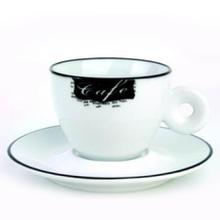
Introduction of coffee cup: standard Italian five-in cup Eepresso coffee cup high-grade bone porcelain material
Brand YAMI Origin [name]: standard Italian five-in cup [material]: high-grade bone porcelain [capacity]: 100cc [cup height]: 5.2cm cup mouth diameter: 6.2cm disc diameter: 13cm [weight]: net weight 266g [gift box gross weight]: 2.5kg [packaging]: 5 cups and 5 plates [introduction to bone porcelain]: bone porcelain was formerly known as bone porcelain, referred to as bone porcelain, that is, bone powder mixed with quartz
2015-12-11 Coffee cup introduction standard Italian five-in cup Eepresso high-grade bone
Introduction to the Flavor description of Ye Jia Xuefei Adoto Coffee Variety
Yega Xuefei is a small town in Ethiopia, 1700-2100 meters above sea level, located in the northwest of Sidamo Province, with mountains and lakes. It is one of the highest coffee-producing areas in Ethiopia and is synonymous with Ethiopian boutique coffee. Strictly speaking, Yega Xuefei is a by-product area of the Sidamo region of Ethiopia (Sidamo), which is independent because of its special flavor.
2016-09-28 Yega Sheffield Duoduo Coffee Flavor description Variety producing area characteristics Grinding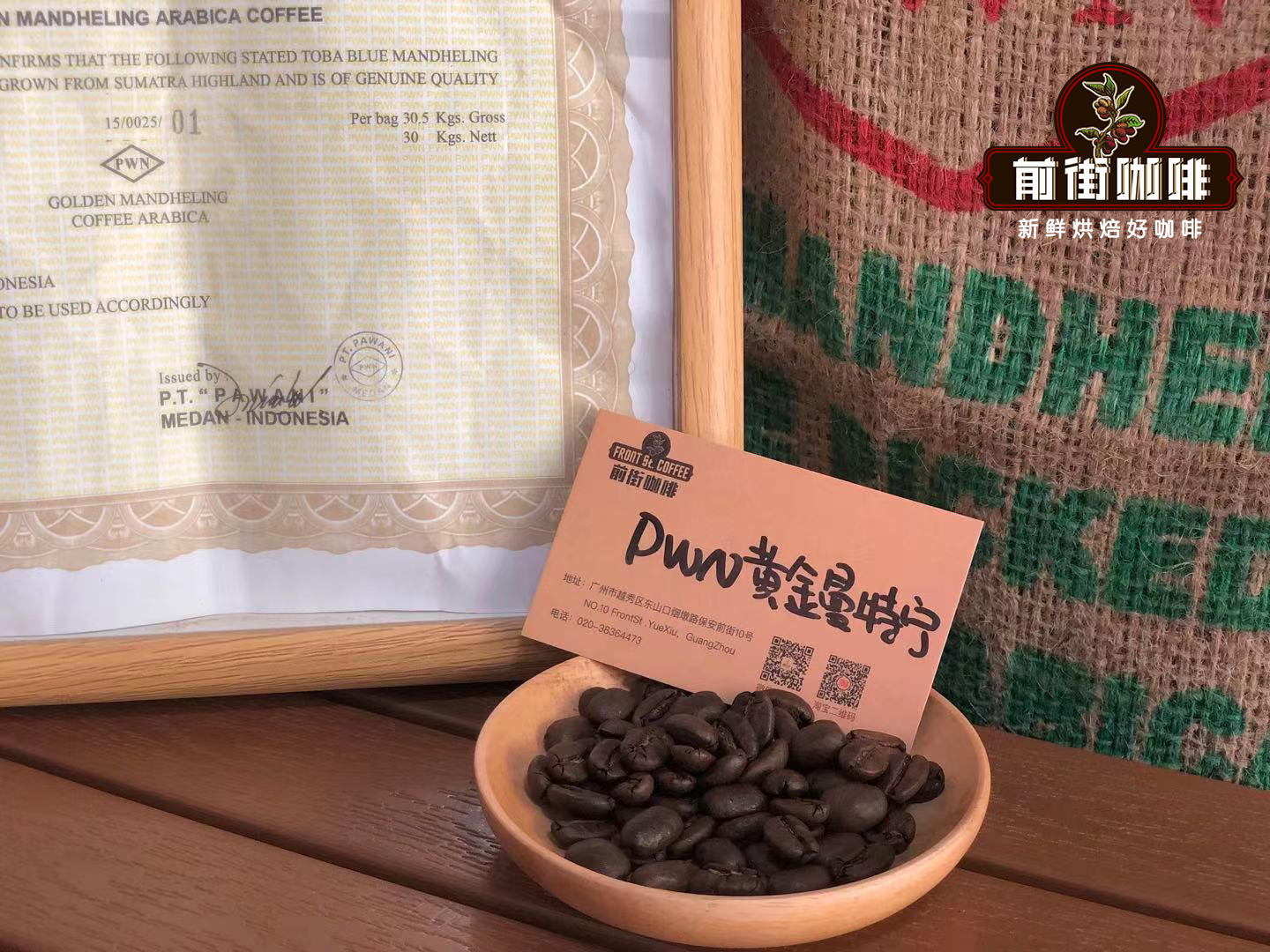
Fine coffee Indonesia gold mantinin coffee beans flavor characteristics taste grade mantinin suitable for who to drink?
Flavor characteristics: manteling: manteling coffee is considered the world's most mellow coffee, a light earthy aroma, some people describe it as herbal aroma. The palate is rich and firm with a pleasant acidity. Aroma mellow, moderate acidity, rich sweetness is very interesting, suitable for deep baking
2022-11-06 Niman Tinning Coffee Bean Flavor Taste Characteristics Introduction Boutique Coffee
Basic knowledge of fine coffee grading of raw coffee beans
At present, there are three main rating criteria for raw coffee beans, and different countries adopt different rating methods according to their own production conditions and national conditions (not all coffee producing countries adopt the same method). Let's introduce these three popular rating methods. One: the reason for the emergence of such a classification standard according to the altitude of the coffee producing area is mainly because of the high level.
2015-04-17 Boutique coffee basics common sense raw beans grading at present
Grade A water washing treatment of pearl beans in PNG Kimmel Manor, Papua New Guinea
Located in the east of the Indonesian archipelago, Papua New Guinea, which is dominated by highlands, has a pattern of large manors / farms and small farmers, growing a variety of coffee varieties. The flavor of coffee in Papua New Guinea is very different from that of coffee from other Asian regions such as Indonesia, South Asia, India or the Pacific Islands; compared to Indonesian beans, which are mostly semi-washed (wet peeled).
2016-05-05 Papua New Guinea PNG Mayer Manor washing processing pearls beans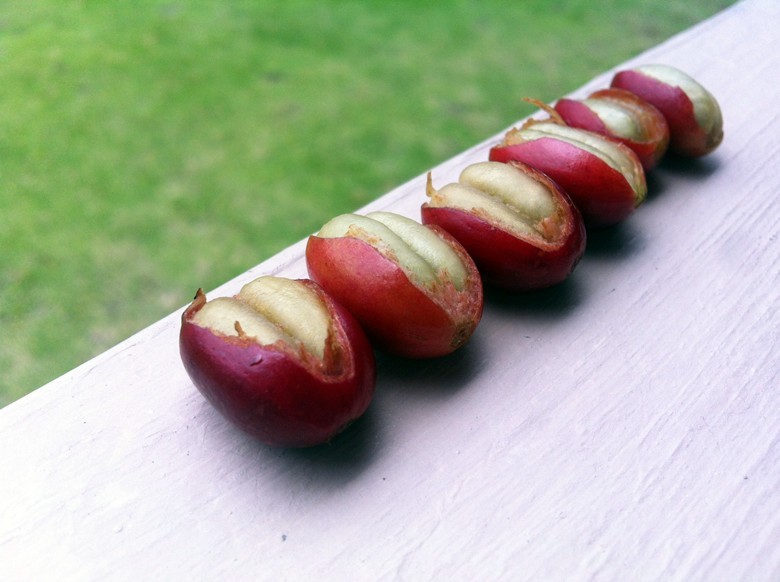
Where can I buy coffee beans online? Where can I buy coffee beans and wash Ethiopia with grade 9090 + water?
1. When buying beans online, you should pay attention to the production date, shelf life, packaging and sealing, the roasting degree of coffee beans, the types of coffee beans, and your utensils to determine what kind of beans you want. If you use blue mountain beans to make ESP, it is indeed a maverick way, but it is also too unprofessional and expensive, and the taste is not very good. The production date must be at least
2016-04-23 Online how can I buy coffee beans where to go buy good 90 grade clothes than
Introduction to the grade of Ethiopian coffee beans
Even the official research unit of Ethiopia does not know how many Arabica subspecies there are in Ethiopia. The coffee cooperatives in this mountain are certainly different from those planted in another mountain, and even small farmers in the same region grow different varieties of coffee. It has been estimated that there are at least 2000 varieties of Ethiopian coffee and even more than 4500 kinds of coffee. Compared to the southern neighbor Ken
2016-06-03 Ethiopia coffee beans grade introduction in the end how much rabbi
Introduction of Yega Sheffield Coffee Adorto Coffee introduce the flavor and taste characteristics of Yejashefi Coffee Manor
Sun-treated Erika G1 has more lively citrus citric acid, aromas of apricot blossoms, exploding nuts of walnuts, and subtle aromas of cinnamon, cloves, rosemary and other spices. taste with a very good honey brown sugar sweet, very soft and attractive, as if the whole body soaked in the sea in early autumn, by the cool sea
2016-08-06 Yega Sheffield Duoduo Coffee introduction Manor producing area Flavor Taste characteristics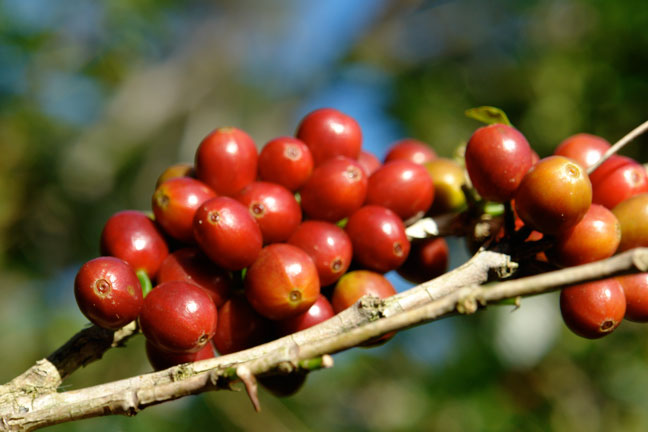
How to choose coffee beans with high cost performance? 90 + comprehensive upgrade Ethiopia rosemary Qingfu water wash
With the deepening of people's contact with coffee, ordinary taste can no longer meet people's needs. As a result, more and more coffee lovers will buy their own beans and go home from the beginning of grinding, blending their favorite coffee flavor step by step. The size of coffee beans
2016-04-19 How to choose cost-effective high coffee beans 90 cents comprehensive upgrade Yesso
Introduction to SCAA Standard Coffee Cup testing equipment
Description of ① cups and bowls: SCAA recommended cups are toughened glass or porcelain cups with a capacity of 207-266ml and 76-89mm lids of any material. All utensils should be clean, odorless, the same specifications and materials (for example, glass and porcelain bowls cannot be mixed with different capacities) [cup test sample preparation] bake 1.
2015-11-02 SCAA standard coffee cup introduction cup test environment appliance equipment
SCAA (Specialty Coffee Association of America) Standard Coffee Cup Test
[Cup test environmental equipment] ① Description of cup and bowl for cup test: SCAA recommends tempered glass or porcelain cup with capacity of 207-266ml and diameter of 76-89 mm. The lid can be made of any material. All utensils should be clean, odor-free, of the same specifications and materials (for example, glass and porcelain bowl cannot be mixed, and different capacities cannot be mixed)[Cup test sample preparation] Baking 1.
2015-01-12 SCAA USA Boutique Coffee Association Standard Coffee Cup Introduction Cup Test